Losing weight

Ways to lose weight in a healthy way

Losing weight is certainly not easy, but with the right approach that suits your body, we ensure that you do lose weight! There are many misconceptions about weight loss. Losing weight is not as simple as it is often described. Eating less and exercising more is not the solution for everyone. Every body works differently and requires its own approach!

Afvallen

Why are you not losing weight?

There is no one-size-fits-all advice! There can be multiple reasons why you are not or have difficulty losing weight:

  • Nutrition (unhealthy or unsuitable diet)
  • Night shifts (disruption of the biological clock)
  • Stress (increased fat storage)
  • Sleep problems (disruption of the biological clock)
  • Hormones (affect hunger, appetite, and metabolism)
  • Thyroid issues (affect hunger, appetite, and metabolism)
  • Metabolism (affects hunger, appetite, and fat burning)
  • Genetics (metabolism, body composition, fat burning, etc.)
  • Lifestyle (balance between nutrition and physical activity)
  • Medication (insulin, prednisone, antidepressants, etc. can cause weight gain)
  • Crash diets (disrupt metabolism and increase cravings)
  • Mindset (giving up, unrealistic goals, etc.)

What is fat?

Fat is an organ. It is not just a lump of flab. Fat is distributed throughout your entire body. Fat also produces the hormone leptin (which helps you feel full). Leptin also stimulates fat burning.

The location of fat is more important than the amount of fat. Fat around the abdomen is more harmful than fat on the hips, for example. Abdominal fat means there is more fat surrounding your organs. This can impair organ function and may lead to lifestyle-related diseases such as type 2 diabetes, cardiovascular diseases, and various types of cancer.

Afvallen vet

Make an appointment for your online consult

Start your journey and take the first step with an introductory appointment

What happens in the body with too much fat?

Excess fat disrupts various functions in the body. It can cause hormones to become imbalanced. One example is type 2 diabetes, where the insulin hormone is disrupted. Fat can also accumulate in dangerous places, such as the liver (e.g. fatty liver disease) or the heart (e.g. heart failure or heart attack).

Our approach

Personal approach

1

Dietistenpraktijk Samen Sterk

You contact us

You contact us and pay directly for the appointment online.

2

Dietistenpraktijk Samen Sterk

We can start

We contact you and schedule an appointment with the dietitian to officially start the program.

Afvallen Diëtist

Diëten of crashdiëten?

Veel mensen denken dat snel afvallen een goed idee is om uw irritante vet te verbranden. Maar het werkt op lange termijn averechts!

Er zijn studies waarbij blijkt dat dit soort methodes op lange termijn een groter gevoel van honger geven. U beschadigt uw stofwisseling hiermee waardoor het steeds moeilijker wordt om af te vallen. U ziet in het programma OBESE heel goed dat wanneer men snel afvalt, zij op lange termijn weer aankomen terwijl ze minder eten dan voorheen.

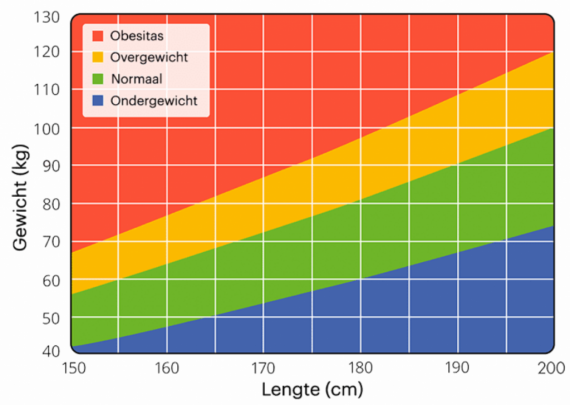
BMI Berekenen

Calculate your BMI

Please note that the BMI calculator does not always provide an accurate overview of your health status.

Who is the chart not suitable for?
* Children
* Pregnant women
* Bodybuilders

Having a healthy weight does not necessarily mean you have a healthy lifestyle. Excess abdominal fat causes more harm than fat around the hips or legs. That is why measuring your waist circumference is important.

Healthy circumference:
Women: below 80 cm (above 80 cm is unhealthy)
Men: below 94 cm (above 94 cm is unhealthy)

Dietistenpraktijk Samen Sterk

How can a dietitian help you?

A dietitian (certified nutrition expert) works with you to understand why you are not losing weight or why it is difficult. He/she will look at your lifestyle, diet, medication, body composition, physical activity, and more. By creating a complete picture, you will discover what the triggers are and what you can do to lose weight responsibly without harming your body. He/she teaches you how to handle challenging situations and provides tips and advice to help you lose weight more easily without putting stress on your body (without disrupting your hormones and metabolism).

We help reset your body, increase your awareness of nutrition, and provide tailored advice that is achievable. All without making you feel like you are ‘on a diet’!

Frequently asked questions

Why am I not losing weight, even though I eat less and exercise more?

There can be several reasons why losing weight is difficult: an unsuitable diet, night shifts (disrupting your biological clock), stress, lack of sleep, hormonal imbalances, thyroid problems, a disrupted metabolism, genetics, medication (such as insulin or prednisone), crash diets, or issues with motivation.

Is “eating less and exercising more” always the right method for losing weight?

Not for everyone. Every body works differently and requires its own approach. Sometimes it is lifestyle factors (nutrition, stress, sleep) or hormones that play the decisive role.

What do you mean by “fat” and why is it important?

Fat is distributed throughout the body and even functions as an organ by producing hormones such as leptin. The location of fat (e.g. around the abdomen versus the hips) is more important than the total amount alone.

What are the risks of having too much body fat?

Excess body fat can disrupt various functions in the body. It can cause hormonal imbalances and may lead to conditions such as type 2 diabetes, fatty liver disease, and cardiovascular problems.

Are crash diets a good way to lose weight?

No, crash diets may lead to short-term weight loss, but they can be counterproductive in the long term. They can disrupt your metabolism, making it harder to lose weight or causing you to regain weight.

How do I know if my BMI is a good indicator of my health?

The BMI calculator does not always provide an accurate picture of your health. For example, it is less suitable for children, pregnant women, and bodybuilders. It is also important to consider where fat is stored in the body (e.g. waist circumference).

How can a dietitian help me lose weight in a healthy way?

The dietitian works with you to identify why you are or are not losing weight: nutrition, medication, body composition, physical activity, lifestyle, and more. Based on this, they develop a plan tailored to you, without making you feel like you are constantly “on a diet.” The goal is for your body to function optimally again, increase your awareness of nutrition, and provide advice that is realistic and sustainable.

Do I need to exercise excessively to see results?

Not necessarily excessively. What matters more is a combination of healthy nutrition, appropriate physical activity, good sleep, stress management, and an approach that suits your body. A dietitian will guide you in what is achievable for you.

Can medication affect my weight or weight loss?

Yes, certain medications—such as insulin, prednisone, or some antidepressants—can promote weight gain or make weight loss more difficult. That’s why it’s important to take these factors into account during the analysis.

How long does it take to see results and what is a realistic goal?

This strongly depends on your individual situation (body composition, lifestyle, hormones, medication, etc.). A realistic goal is to lose weight in a healthy and sustainable way without harming your body (such as your metabolism or hormones). Quick fixes are often not sustainable. The process is personalized, and a dietitian will discuss with you what is achievable.

Book an online appointment

Please fill in the form and pay for the appointment online. We will then contact you as soon as possible to schedule an online consultation.

Pakketten