COPD

COPD Klachten

COPD complaints and nutrition? The dietitian helps

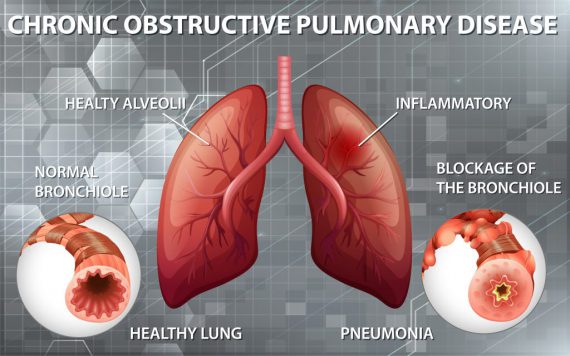
COPD (Chronic Obstructive Pulmonary Disease) is a chronic condition of the airways. The lungs function less effectively because the airways are permanently narrowed. Breathing becomes difficult and requires a lot of energy. Many symptoms experienced by people with COPD are related to nutrition.

Nutritional complaints in COPD

The symptoms people experience are related to nutrition or nutritional status and can sometimes worsen other complaints. The main symptoms are listed below:

  • Weight loss: many people with COPD lose weight because their energy expenditure is increased. Eating is often more difficult due to shortness of breath, reduced appetite, and coughing. Rapid weight loss leads to loss of muscle mass, which also reduces the strength of the respiratory muscles.
  • Reduced appetite: an infection or the use of medication can cause a reduced appetite. Psychological factors also play a role. People may feel ‘full’ even when they have not eaten.
  • Reduced muscle strength: muscle mass decreases. In addition, people often eat less and move less, which further reduces muscle strength.
  • Weight gain: a smaller group of people with COPD may experience overweight. Due to shortness of breath, people tend to move less. Unhealthy eating habits also contribute. Excess weight makes movement even more difficult.
  • Constipation: due to shortness of breath and fatigue, physical activity is limited. This is often combined with an unhealthy diet low in fiber, making constipation more likely.
  • Fatigue: many people with COPD experience this, often combined with loss of muscle mass and strength. Breathing requires a lot of energy. Because grocery shopping and cooking also require energy, people may opt for easy and unhealthy food choices.
  • Shortness of breath: many people with COPD experience breathlessness, which can worsen during meals. As a result, they may choose unhealthy foods or prefer not to eat.
  • Mucus production: some people experience increased mucus in the mouth and throat, leading to an unpleasant, sticky feeling. This can reduce appetite or influence food choices.

In COPD, protein intake is important. The greater the muscle breakdown, the higher the protein requirement. A dietitian can calculate this for you.

Make an appointment for your online consult

Start your journey and take the first step with an introductory appointment

How does a dietitian help with COPD?

The dietitian calculates how much energy, protein, and nutrients you need. They take into account your symptoms and your nutritional status. Together with you, the dietitian looks at how to maintain and increase your muscle mass. It is important that your respiratory muscles do not deteriorate further. The dietitian will first assess whether your symptoms can be managed with regular foods. Of course, the dietitian will also check for other issues, such as reduced appetite, dry mouth, constipation, or mucus production. The dietitian can determine whether it is necessary to use (temporary) medical nutrition, such as oral nutritional supplements.

Dietistenpraktijk Samen Sterk

Our approach

Personal approach

1

Dietistenpraktijk Samen Sterk

You contact us

You contact us and pay directly for the appointment online.

2

Dietistenpraktijk Samen Sterk

We can start

We contact you and schedule an appointment with the dietitian to officially start the program.

Dietistenpraktijk Samen Sterk

Good to know!

  • Most people smoke or have smoked in the past. The longer someone smokes, the higher the risk of COPD. Air pollution and secondhand smoke also play a role. In a very small number of cases, genetic predisposition is a factor.
  • In the list of diseases with the highest disease burden, COPD ranks 4th.
  • Having a severe lung condition and the symptoms experienced often lead to anxiety and depression. Due to this connection, people often have a reduced appetite.
  • Some people with COPD avoid milk because it can cause some mucus-like saliva after drinking it. Drinking a little water helps clear this. You can safely continue to drink milk, as this mucus is not the same as the mucus produced when coughing.
  • If you prefer not to drink milk, you can choose buttermilk, yogurt, or quark, which may result in less mucus formation.
  • Many people with COPD do not get enough vitamin D and calcium from their diet (dairy). With COPD, it is important to pay extra attention to this.
  • Smoking is not only harmful for COPD, but also reduces the absorption of vitamin D from sunlight. A deficiency in vitamin D leads to lower immunity and reduced muscle mass.
  • Dairy or dairy alternatives contain vitamin D, calcium, and protein, which are important for maintaining muscle mass. In addition, exercising (under guidance) also has a positive effect on muscle mass and strength.
Voedingstips COPD

Voedingstips bij COPD

  • Eet meerdere kleine maaltijden per dag (6-7 maaltijdmomenten)
  • Zorg voor voldoende porties zuivel, kaas, vlees/vis, ei, noten, peulvruchten voor eiwit, vitamine D en calcium.
  • Neem, in overleg met je diëtist, een vitamine D-supplement samen met voldoende calcium (uit voeding)
  • Beweeg elke dag (vraag hulp aan een fysiotherapeut als dit moeilijk gaat).
  • Drink voldoende.
  • Zorg voor een gezond gewicht, niet te hoog, niet te laag.
  • Als je rookt: stop ermee en vermijd plekken waar veel gerookt wordt.
  • Als je drinkvoeding nodig hebt, is de diëtist gemachtigd dit voor jou te bestellen.

Your dietitian is your nutrition coach!

During the intake, we take the time to gain insight into your situation and health. Where are you now and, more importantly: where do you want to go? What are your goals and needs, but also your limitations? During the intake, we review your eating pattern: what do you eat, when, and how much? We also look at why you make certain choices. It is important to assess what symptoms you have and how severe they are. After that, we create a personalized plan. This advice is practical, personal, and achievable for you. You may still have many questions during the first consultation—we take the time to answer them. During the process, we coach you step by step toward a healthier lifestyle. Your dietitian advises and motivates you, even when things get a bit more challenging.

Your dietitian:

  • listens to your wishes and needs
  • involves you in setting your goals
  • explains anything you have questions about
  • always provides tailored advice
  • motivates you, regardless of how things are going
  • coaches you toward a healthier lifestyle, in small or larger steps

Your dietitian helps you get on track, so you learn how to live a healthy and comfortable life and reduce COPD symptoms.
COPD Drinkvoeding

Veelgestelde vragen

What kind of diet for COPD?

Focus on an energy- and protein-rich diet to prevent muscle loss. Eat small, frequent meals (6–8 per day). Ensure sufficient intake of protein, calcium, and vitamin D.

How can a dietitian help someone with COPD?

The dietitian calculates the individual energy and protein requirements, creates a personalized nutrition plan, and advises on possible nutritional supplements. This helps maintain muscle mass and reduce symptoms.

What should you not do with COPD?

Do not smoke or be exposed to secondhand smoke. Do not skip meals. Avoid large meals and do not eat too quickly. Do not unnecessarily avoid dairy products because of their nutritional value.

What should you not eat if you are short of breath?

Limit or avoid gas-forming foods such as cabbage, onions, and carbonated drinks. Eat slowly, chew well, and choose liquid or easy-to-chew foods more often.

Which drinks should COPD patients avoid?

No, crash diets may lead to short-term weight loss, but they can be counterproductive in the long term. They can disrupt your metabolism, making it harder to lose weight or causing you to regain weight.

Book an online appointment

Please fill in the form and pay for the appointment online. We will then contact you as soon as possible to schedule an online consultation.

Pakketten